Day of Action: Building Climate Resilience Through Community Action, Volunteerism and Human Rights
Irum Fatima, Director, Asara for Humanity Network (AHN), Pakistan
COP31 / ANTALYA, TÜRKİYE
Asara for Humanity Network (AHN) is a nonprofit based in Bahawalpur, Pakistan, licensed by the Securities and Exchange Commission of Pakistan under Section 42 of the Companies Act, 2017. We work with volunteers, local organisations and community leaders to expand opportunities for underserved communities, with a focus on women and girls.
Our vision
A just, self-reliant society where everyone can live with dignity and has access to health, education and equal opportunity.
Our mission
Advance health, education and gender equity by mobilising local leadership and supporting inclusive, sustainable community development.
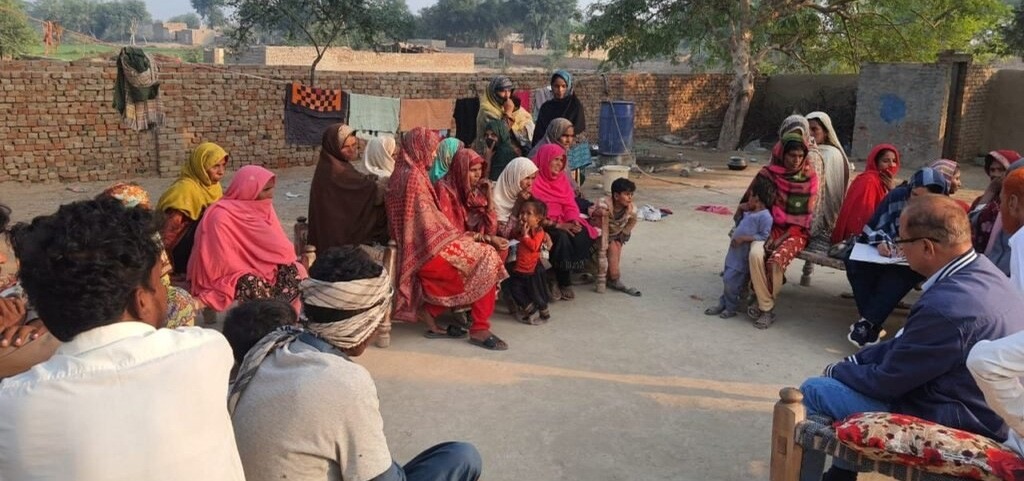
Residents gather for an outdoor community discussion. Photo from the AHN homepage.
Climate change affects whether families can get safe water, earn a living and keep their children in school. Pakistan’s floods in 2010 and 2022 made those consequences painfully clear. The 2022 floods affected around 33 million people. When homes and crops are lost, the damage can disrupt education, deepen poverty and expose people who are displaced to greater risks. That is where the human rights questions at COP31 begin for us.
About AHN · 2010 flood recovery · 2022 flood assessment
Board of Directors
AHN’s directors bring experience in rural development, financial inclusion, crisis management, sustainable enterprise and rights advocacy.

Zahoor Hussain Khan
Chairman of the Board
Rural development and microfinance leader, and former President and CEO of NRSP Microfinance Bank.
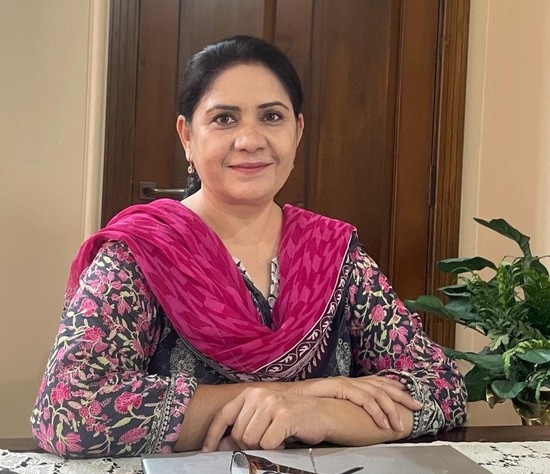
Amina Hassan
Director
Microfinance and retail banking leader with expertise in financial inclusion and business strategy.

Aaliya Qamar Khan
Director
Banking and human resources professional with experience in inclusive leadership.
Brig. (R) Muhammad Shoaib Murtaza Khan, SI (M), TBt
Director
Retired Pakistan Army officer with experience in crisis management and organisational leadership.
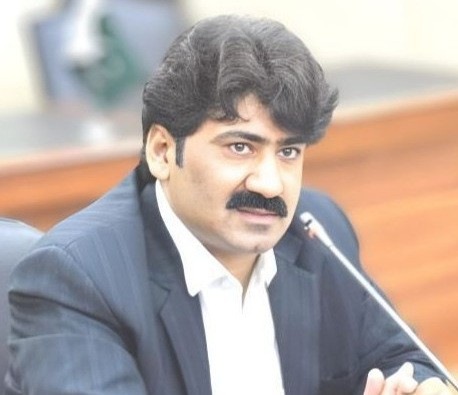
Mian Abdur Rasheed
Director
Sociologist and green enterprise leader working on climate action and social protection.
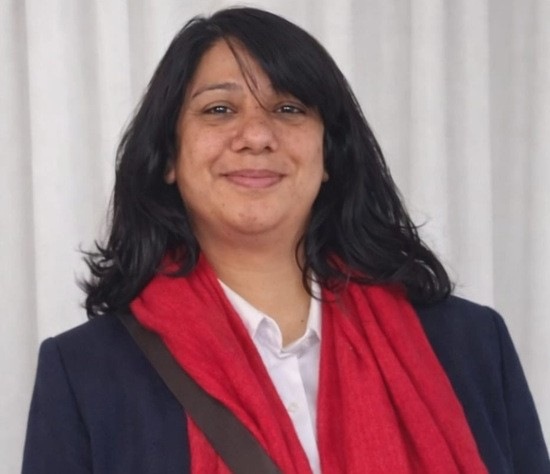
Irum Fatima
Director and article author
Advocacy and programme specialist in gender equality, child protection and disability inclusion.
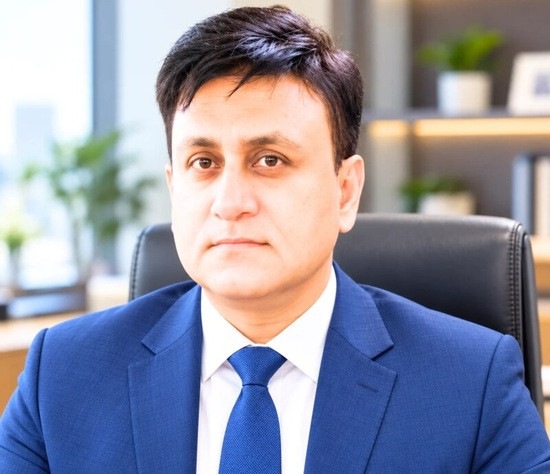
Muhammad Amir
Chief Executive Officer and Director
Development professional with expertise in financial inclusion, rural livelihoods and climate-resilient agriculture.
AHN Board of Directors · Additional profiles and portraits
What COP31 means for communities
COP stands for Conference of the Parties. At this UN climate conference, governments negotiate how to cut emissions, adapt to climate impacts and mobilise finance, while local authorities and civil society bring evidence and proposals. COP31, the 31st meeting under the United Nations Framework Convention on Climate Change (UNFCCC), takes place in Antalya, Türkiye, from 9 to 20 November 2026.
On 14 November, the Global Day of Action opens the Peoples’ Climate Summit, a civil society gathering held alongside COP31. Its organisers list AHN as a supporting organisation. For us, the day is an opportunity to ask whether international climate decisions will give local communities the resources and authority to prepare for the risks they already face.
UN Climate Change Conference · Global Day of Action · Peoples’ Climate Summit supporters
AHN’s endorsement of the LGMA position
AHN is listed as an endorser of the Local Governments and Municipal Authorities (LGMA) Constituency COP31 Position Paper. Published on 19 October 2026, the paper calls for local and regional governments to have a stronger role in implementing national adaptation plans, accessing climate finance and ensuring a fair energy transition. AHN’s announcement credits my work in supporting the endorsement.
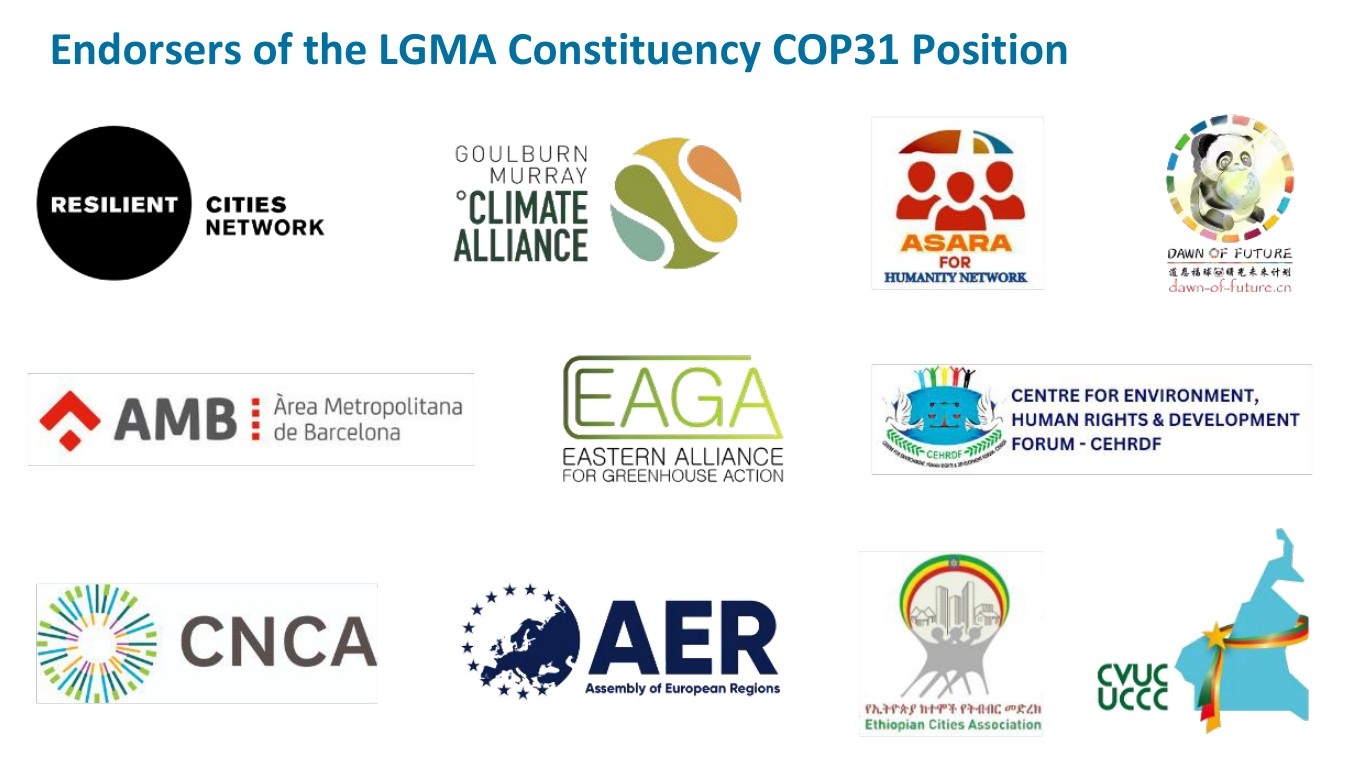
Excerpt from page 6 of the official paper. AHN’s logo is third from the left in the top row.
Read AHN’s endorsement announcement · View the full endorser page · Read the official position paper
Municipal and provincial authorities make decisions on water, drainage, land use and public services. They need a route into national climate decisions. Community organisations need a place in those discussions too, because they can identify where risks and public services differ even between neighbouring settlements.
Talking about clean energy in Urdu
People can take part in climate decisions when the information is available in a language they use. For our COP31 awareness campaign, AHN adapted an EduClimate / SwitchCoal pamphlet into Urdu so volunteers could discuss the proposal with community groups. It explains how solar and wind power backed by battery storage could replace coal-fired electricity generation, using existing grid connections where feasible.
SwitchCoal is an initiative of EduClimate, a nonprofit based in Berlin. The figures in its pamphlet describe the initiative’s own projections. Any local proposal needs an assessment of cost, demand and reliability, as well as a plan for workers and communities whose livelihoods depend on coal.
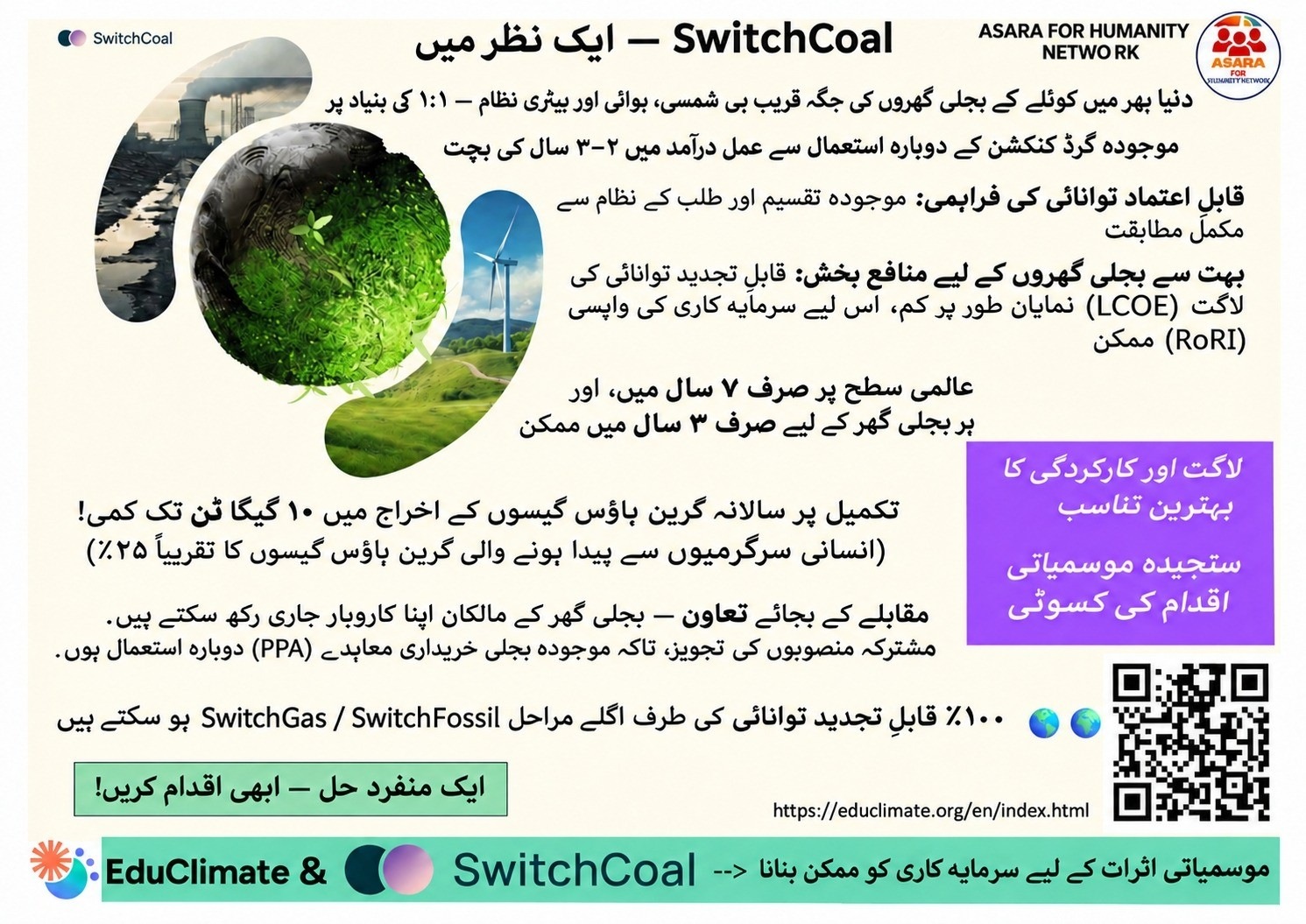
SwitchCoal at a glance. Original concept by EduClimate / SwitchCoal. Urdu adaptation by AHN.
AHN’s clean energy article · Open the Urdu pamphlet · About SwitchCoal · EduClimate
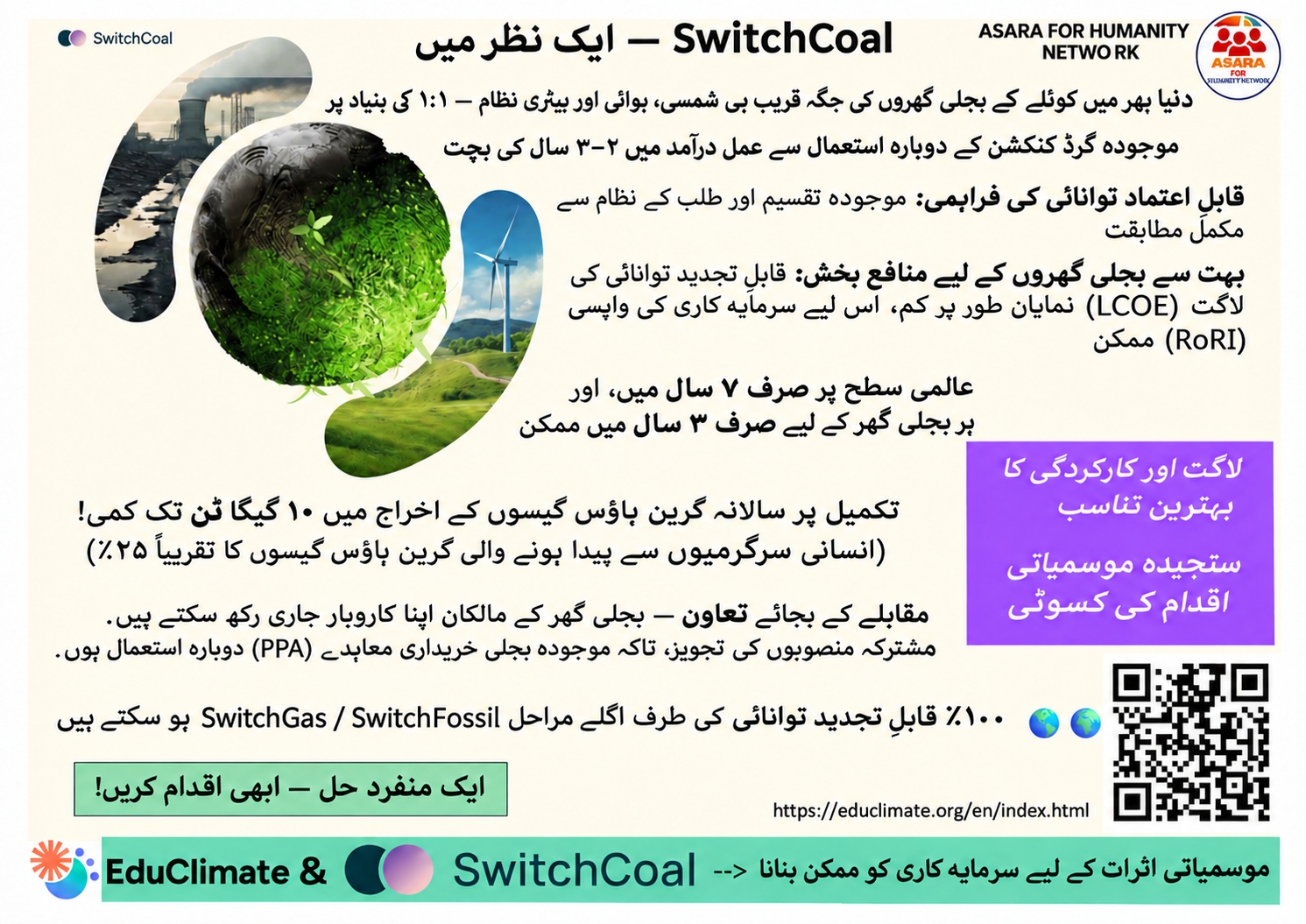
کوئلے سے صاف توانائی کی طرف
آسرا فار ہیومینٹی نیٹ ورک نے ایجو کلائمیٹ کے سوئچ کول منصوبے کا تعارفی مواد اردو میں پیش کیا ہے۔ یہ مواد بتاتا ہے کہ شمسی اور ہوائی توانائی، بیٹریوں میں بجلی کے ذخیرے اور موجودہ گرڈ کنکشن کے استعمال سے کوئلے پر انحصار کیسے کم ہو سکتا ہے۔ اس تبدیلی میں کارکنوں کے روزگار، مقامی آبادیوں کی رائے اور سستی، قابلِ اعتماد بجلی کو اہمیت ملنی چاہیے۔
Volunteerism and kitchen gardening
Volunteers are often the first people to notice which households need support and which parts of a neighbourhood are overlooked. Working with community organisations and local leaders, they can bring people together to identify problems, share practical knowledge and help residents take those priorities to public authorities.
AHN’s local network includes the Gulistan Social Welfare and Development Organization, a Bahawalpur organisation working on women’s welfare and skills development. In Sindh, the Society for Health, Environment and Education Development (SHEED), listed in AHN’s NGO directory, works on environmental awareness and disaster preparedness.
AHN community outreach and partners · Punjab Social Welfare directory · SHEED’s AHN profile
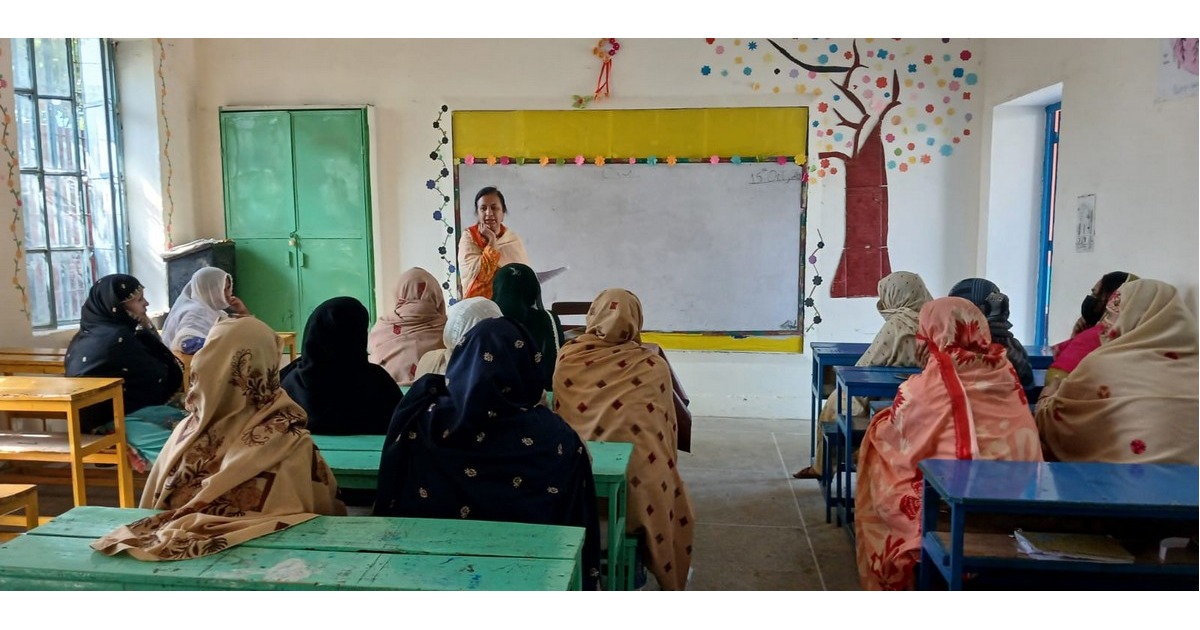
Women attend a community session. Photo supplied by AHN.
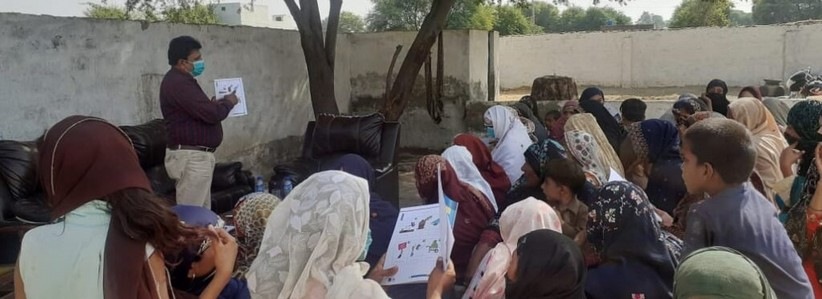
Outdoor gathering. AHN homepage.
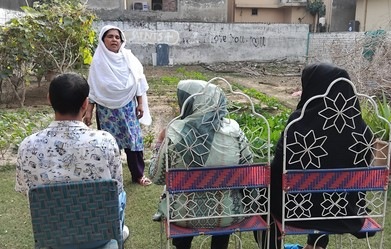
Garden discussion.
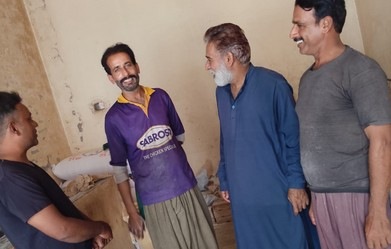
Community visit.
Growing food close to home
The kitchen gardens pictured here show how a few containers or a small plot can produce fresh food for a household. We want to build on these examples with volunteer-led demonstrations on growing seasonal vegetables and fruit, reusing containers, composting and watering carefully. Neighbours can share seedlings and compare which crops do well in the space and water they have.
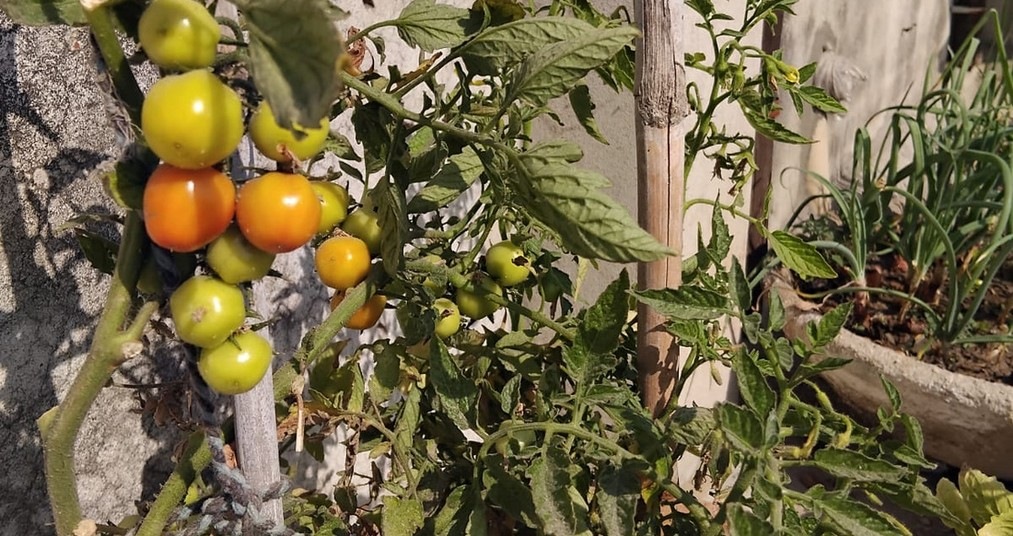
Tomatoes ripening in a household container garden.
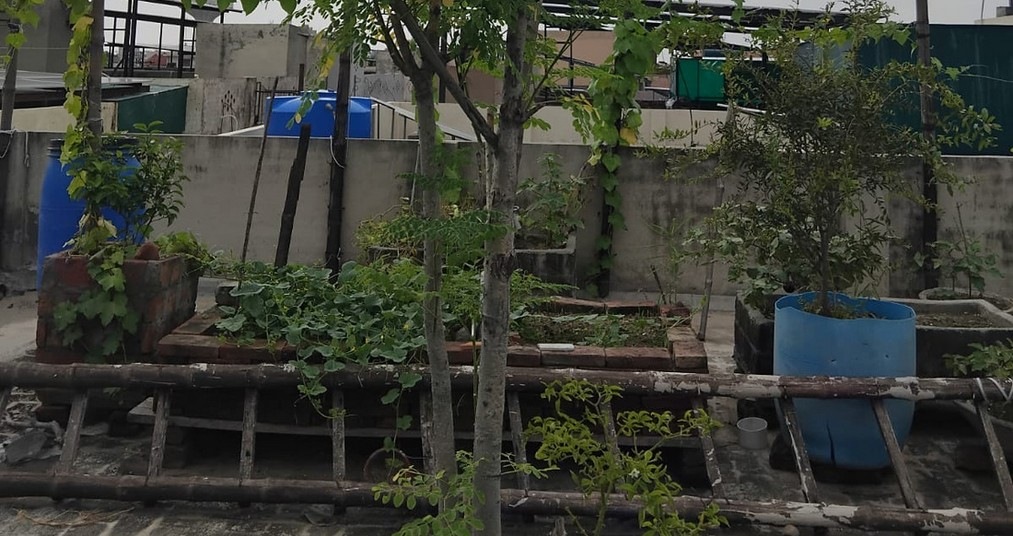
Raised beds and containers in a rooftop garden.
Garden and community-visit photographs supplied by AHN.
AHN’s planned Women Entrepreneurs workshop links kitchen gardening and water management with recycling-based enterprise, giving participants a chance to explore how these practices can support household livelihoods.
AHN Women Entrepreneurs workshop
Keeping useful materials in circulation
Sorting usable clothing for resale or redistribution gives garments a longer life and can help families obtain what they need. Repair and reuse keep usable items in circulation, while recycling can recover materials when items have worn out. Volunteers can support both by helping people sort items, identify what can be repaired and find local collection points.
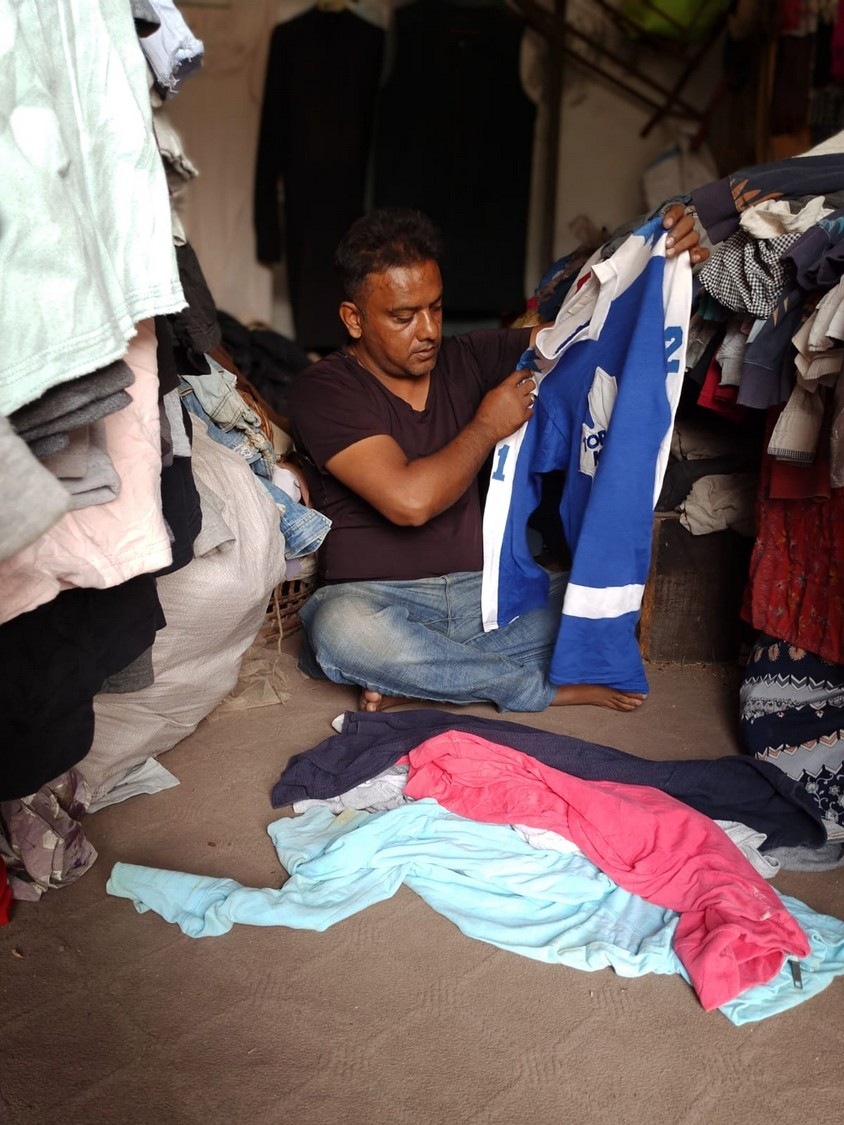
Sorting second-hand clothing for reuse.
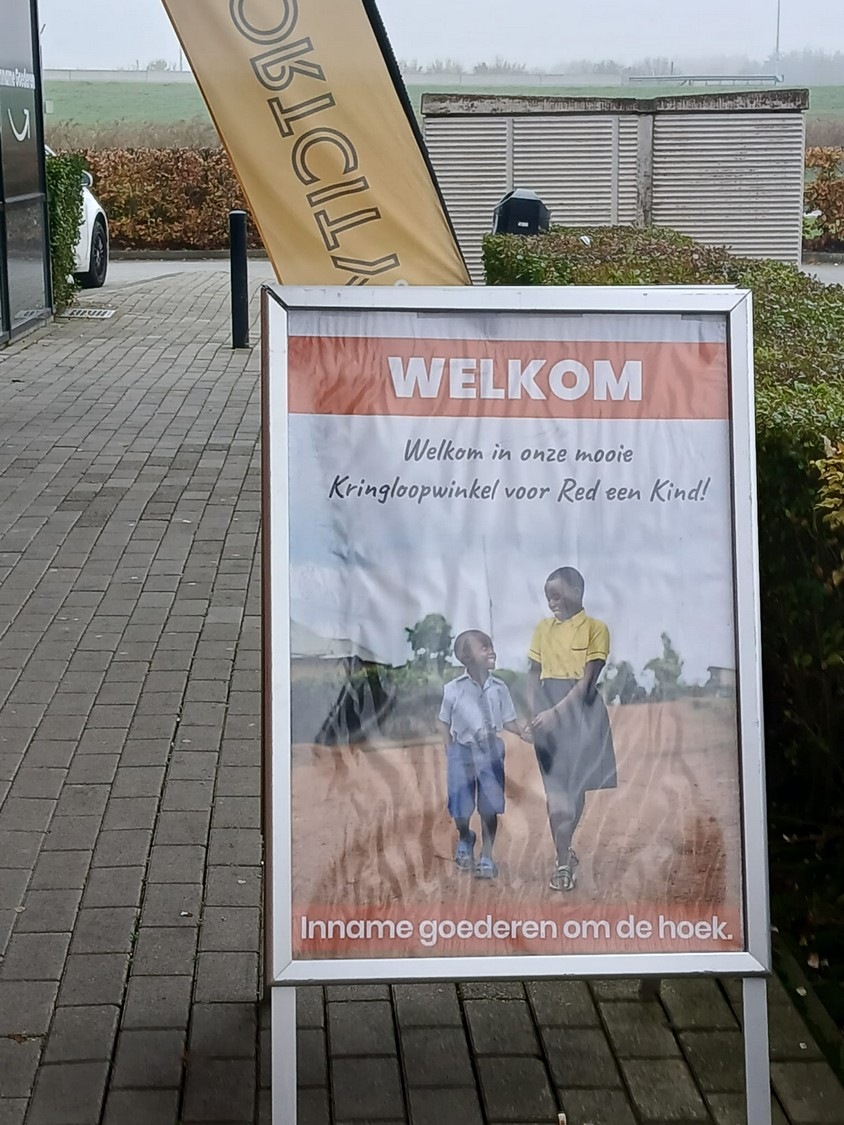
A Kringloop voor Red een Kind thrift shop in the Netherlands.
Photographs supplied by AHN.
Learning across communities
Exchanges in the Netherlands have helped us explore water management, sustainable agriculture and the energy transition. One example of reuse comes from the volunteer-run Kringloop voor Red een Kind shops, which raise funds for Help a Child by reselling donated goods. Hope Fashion is another reference point for textile reuse. International Child Development Initiatives (ICDI) brings a perspective on child and youth well-being.
The exchange goes both ways. Pakistani farmers and neighbourhood groups can share what they know about growing food with limited water, repairing and reusing goods and organising mutual support. A practice is worth adapting when it fits local conditions and serves needs that residents have identified themselves.
Kringloop voor Red een Kind · International Child Development Initiatives
Water security and energy justice
A fair transition means affordable, reliable clean energy and a say in how it is delivered. Adaptation also has to protect safe water and food supplies, support small farmers and keep essential services accessible to households facing heat, floods or rising costs.
Three priorities for climate action
Give communities a say in adaptation plans
Give local and provincial authorities, grassroots organisations and residents a formal role in decisions about how Pakistan’s National Adaptation Plan is carried out, monitored and updated. Women, small farmers, young people and persons with disabilities should be able to shape the priorities that affect their safety and livelihoods.
Pakistan’s National Adaptation Plan
Measure progress where people live
Parties adopted 59 Belém Adaptation Indicators at COP30. Their application should show who can reach safe water, receive an accessible flood warning or keep earning after a disaster. Governments should work with communities to track those outcomes locally and, where possible, break results down by gender, age, disability and income.
UNFCCC Global Goal on Adaptation and Belém indicators
Make climate finance accessible to local organisations
Give local authorities and grassroots organisations access to predictable funding, technical assistance and help preparing projects. Small grants and application processes that local organisations can navigate would make it easier to support water conservation, climate-resilient agriculture and other initiatives that communities have identified.
Our commitment
On the Global Day of Action, AHN reaffirms its commitment to volunteerism, inclusive climate resilience and human dignity. We ask governments, local authorities and development partners to support community-led work on water conservation, sustainable agriculture, local food production, reuse and recycling, with women involved in decisions and children’s rights protected throughout.
Progress should be visible in safer homes, water that families can rely on, schools that can reopen after a disaster and livelihoods that can withstand a bad season. Communities should help define those outcomes, and public institutions should be accountable for delivering them.
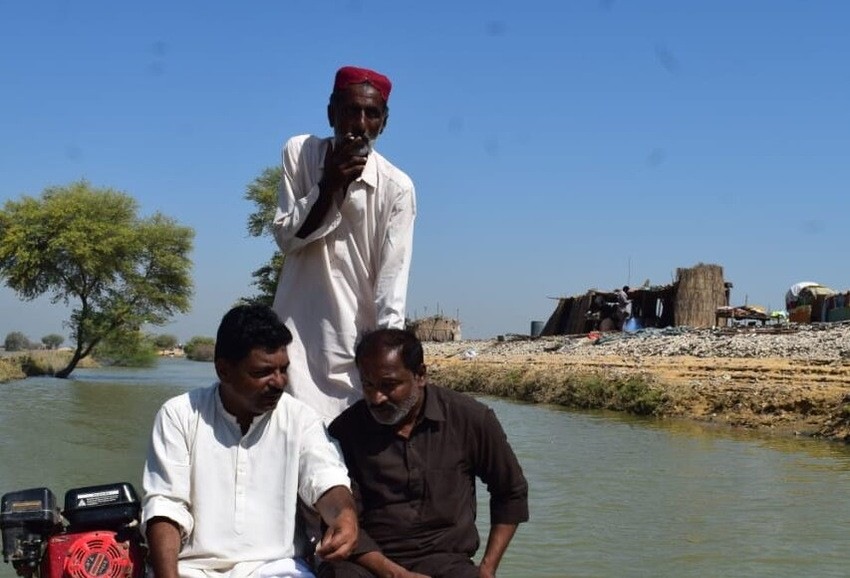
SHEED field assessment in Sindh. Photo from SHEED
Related media
BBC Urdu reported on Irum Fatima’s mobile child-protection awareness work in 2019. Read the BBC Urdu feature